Know Before You Show
Mar 16, 2026
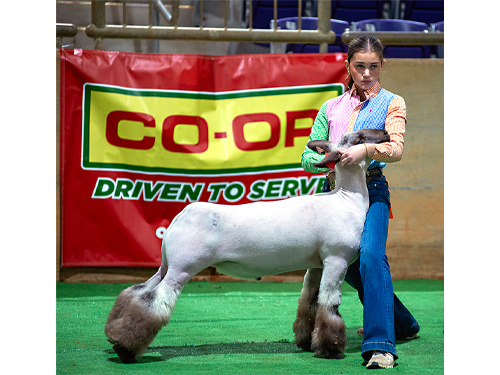
As fair and livestock show season approaches across Tennessee, the Tennessee Department of Agriculture (TDA) Animal Health Division is reminding exhibitors, show managers, and veterinarians that preparation plays a critical role in protecting animal health and ensuring events run smoothly. Through its Know Before You Show campaign, TDA aims to help families, producers, and event organizers understand exhibition rules and animal health expectations well before they arrive at a livestock show, fair, or expo.
Livestock exhibitions are valuable educational opportunities, particularly for youth participants, but they also bring animals from numerous farms, counties, and communities together in one location. This mixing of animals increases the risk of spreading contagious or infectious diseases if proper precautions are not taken. Tennessee’s livestock exhibition rules are designed to reduce those risks and protect exhibitors, animals, and the state’s broader livestock industry. These rules apply to all species and all exhibitions, regardless of size or location.
“Livestock shows should be positive, rewarding learning experiences, especially for young exhibitors,” Tennessee State Veterinarian Dr. Samantha Beaty says. “That starts with everyone knowing the expectations ahead of time and arriving with animals that are healthy and ready to participate.”
One of the most important rules for exhibitors to remember is that animals showing signs of contagious or infectious disease must not enter or remain on exhibition grounds — even if the animal has a valid Certificate of Veterinary Inspection (CVI). A CVI confirms that an animal met health requirements at the time of inspection, but it does not override visible signs of illness at check-in or during the event.
Animals with conditions such as ringworm, warts, foot rot, sore mouth, pink eye, or other fungal or bacterial skin infections are not permitted to show. These conditions, while sometimes common or considered minor, can spread quickly in a show environment and lead to widespread issues among animals nearby. If an animal arrives sick or becomes sick during an event, officials may require that it not unload, be isolated from other animals, or be removed from the grounds entirely.
“We understand how much time and care goes into preparing animals,” Beaty says. “These rules are meant to protect that investment and keep everyone’s animals healthy.”
Preparation begins well before show day, and parents play a vital role in that process. Monitoring animals daily at home allows exhibitors to catch health concerns early. Keeping sick animals off the trailer, practicing good biosecurity, and asking questions ahead of time can help families avoid disappointment and delays at check-in. Simple steps such as cleaning equipment between uses, limiting unnecessary contact with animals from other farms, and following vaccination and treatment guidance from veterinarians can make a meaningful difference.
Livestock exhibitions are valuable educational opportunities, particularly for youth participants, but they also bring animals from numerous farms, counties, and communities together in one location. This mixing of animals increases the risk of spreading contagious or infectious diseases if proper precautions are not taken. Tennessee’s livestock exhibition rules are designed to reduce those risks and protect exhibitors, animals, and the state’s broader livestock industry. These rules apply to all species and all exhibitions, regardless of size or location.
“Livestock shows should be positive, rewarding learning experiences, especially for young exhibitors,” Tennessee State Veterinarian Dr. Samantha Beaty says. “That starts with everyone knowing the expectations ahead of time and arriving with animals that are healthy and ready to participate.”
One of the most important rules for exhibitors to remember is that animals showing signs of contagious or infectious disease must not enter or remain on exhibition grounds — even if the animal has a valid Certificate of Veterinary Inspection (CVI). A CVI confirms that an animal met health requirements at the time of inspection, but it does not override visible signs of illness at check-in or during the event.
Animals with conditions such as ringworm, warts, foot rot, sore mouth, pink eye, or other fungal or bacterial skin infections are not permitted to show. These conditions, while sometimes common or considered minor, can spread quickly in a show environment and lead to widespread issues among animals nearby. If an animal arrives sick or becomes sick during an event, officials may require that it not unload, be isolated from other animals, or be removed from the grounds entirely.
“We understand how much time and care goes into preparing animals,” Beaty says. “These rules are meant to protect that investment and keep everyone’s animals healthy.”
Preparation begins well before show day, and parents play a vital role in that process. Monitoring animals daily at home allows exhibitors to catch health concerns early. Keeping sick animals off the trailer, practicing good biosecurity, and asking questions ahead of time can help families avoid disappointment and delays at check-in. Simple steps such as cleaning equipment between uses, limiting unnecessary contact with animals from other farms, and following vaccination and treatment guidance from veterinarians can make a meaningful difference.